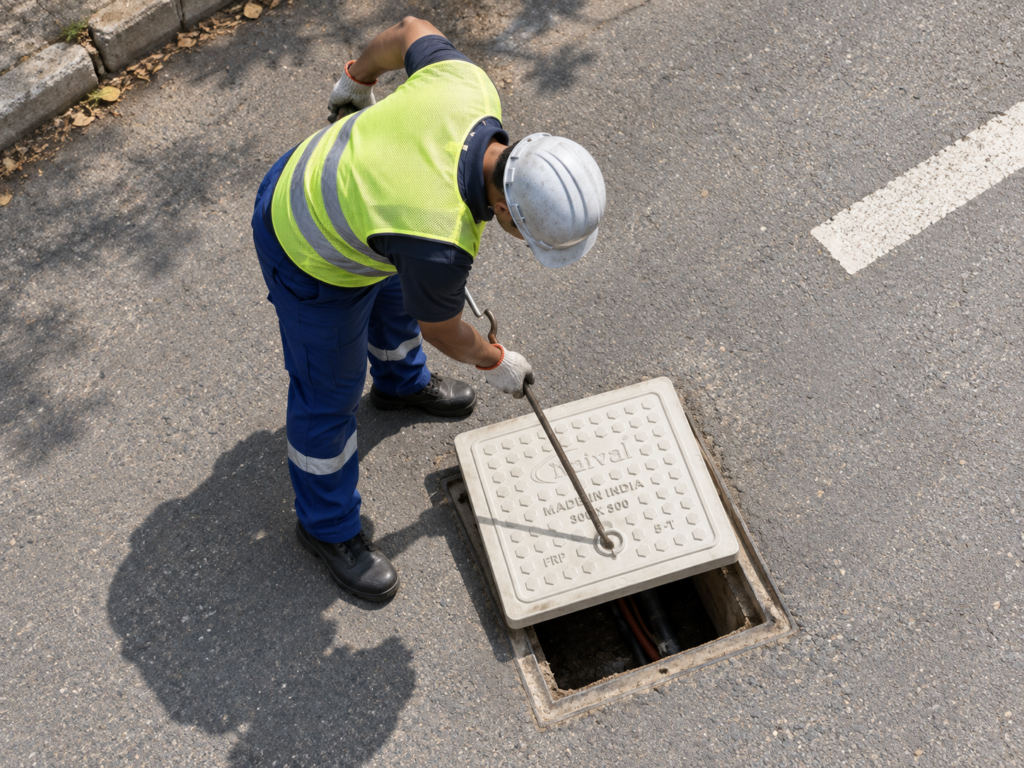

Choosing the right manhole cover is an important decision for any residential, commercial, industrial or infrastructure project. The right cover should provide reliable access to underground drainage systems while offering suitable strength, durability and resistance to environmental conditions.
When comparing plastic vs FRP manhole covers, both materials have advantages. Plastic covers can be a practical option for suitable residential and light-duty applications, while FRP (Fibre-Reinforced Plastic) covers offer the added structural reinforcement of glass fibres and can be suitable for more demanding environments, depending on their design and tested load capacity.
But which option is better for your project? The answer depends on where the cover will be installed, the expected load, environmental exposure, budget and product specifications.
In this guide, we will compare plastic and FRP manhole covers, explain their key differences and help you understand what to consider before purchasing.
What Is a Plastic Manhole Cover?
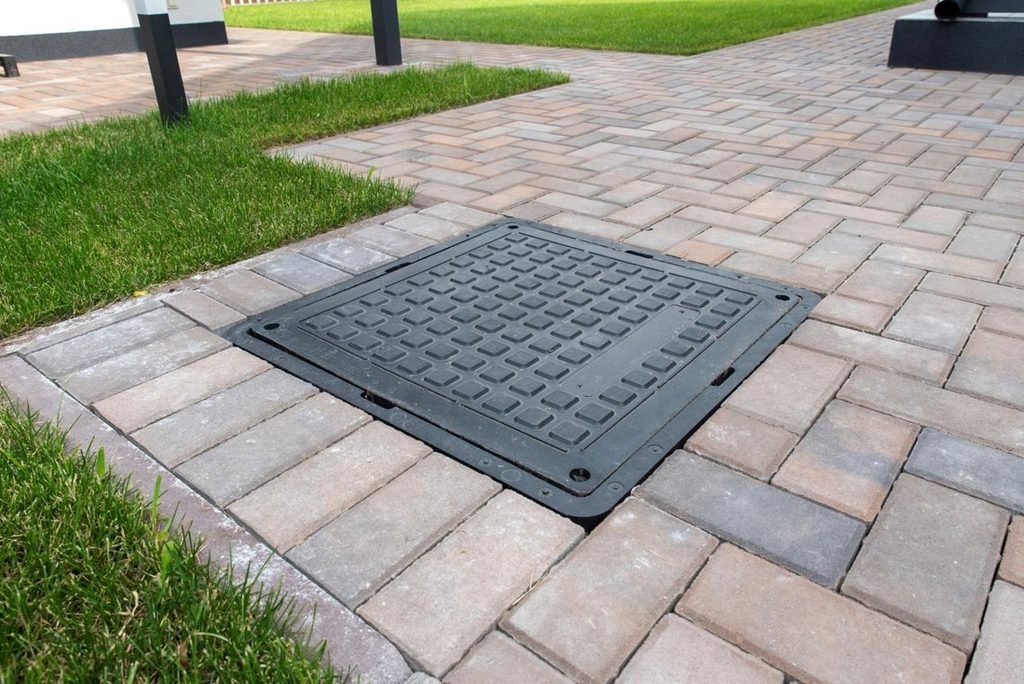
A plastic manhole cover is an access cover manufactured from plastic materials and designed to cover inspection chambers, drainage openings and other underground utility access points. Depending on the material and design, plastic covers can be lightweight, corrosion-resistant and convenient to handle.
A PVC manhole cover is one example of a plastic cover, although not every plastic manhole cover is made from PVC. Other polymer formulations may be used depending on the manufacturer’s product range.
Key Benefits of Plastic Manhole Covers
- Lightweight construction: Many plastic covers are easier to handle and install than traditional heavy metal alternatives.
- Corrosion resistance: Plastic does not rust like iron or steel, making it useful in damp environments.
- Practical maintenance: Plastic covers generally require little maintenance when used under suitable conditions.
- Cost-conscious selection: Depending on the material, size and design, plastic covers can be an economical choice for appropriate applications.
- Versatile applications: They can be used in suitable residential, plumbing, drainage and utility installations.
Where Are Plastic Manhole Covers Used?
Plastic covers may be suitable for residential buildings, gardens, landscaped areas, pedestrian zones and selected drainage or inspection chambers. Their suitability depends on the manufacturer’s specified load capacity and installation requirements.
For example, a cover installed in a garden may face very different loads from one placed in a driveway. Always select a product that matches the actual conditions at the installation site.
A plastic manhole cover with a lock may also be worth considering where controlled access is required, provided the locking arrangement suits the project.
What Is an FRP Manhole Cover?
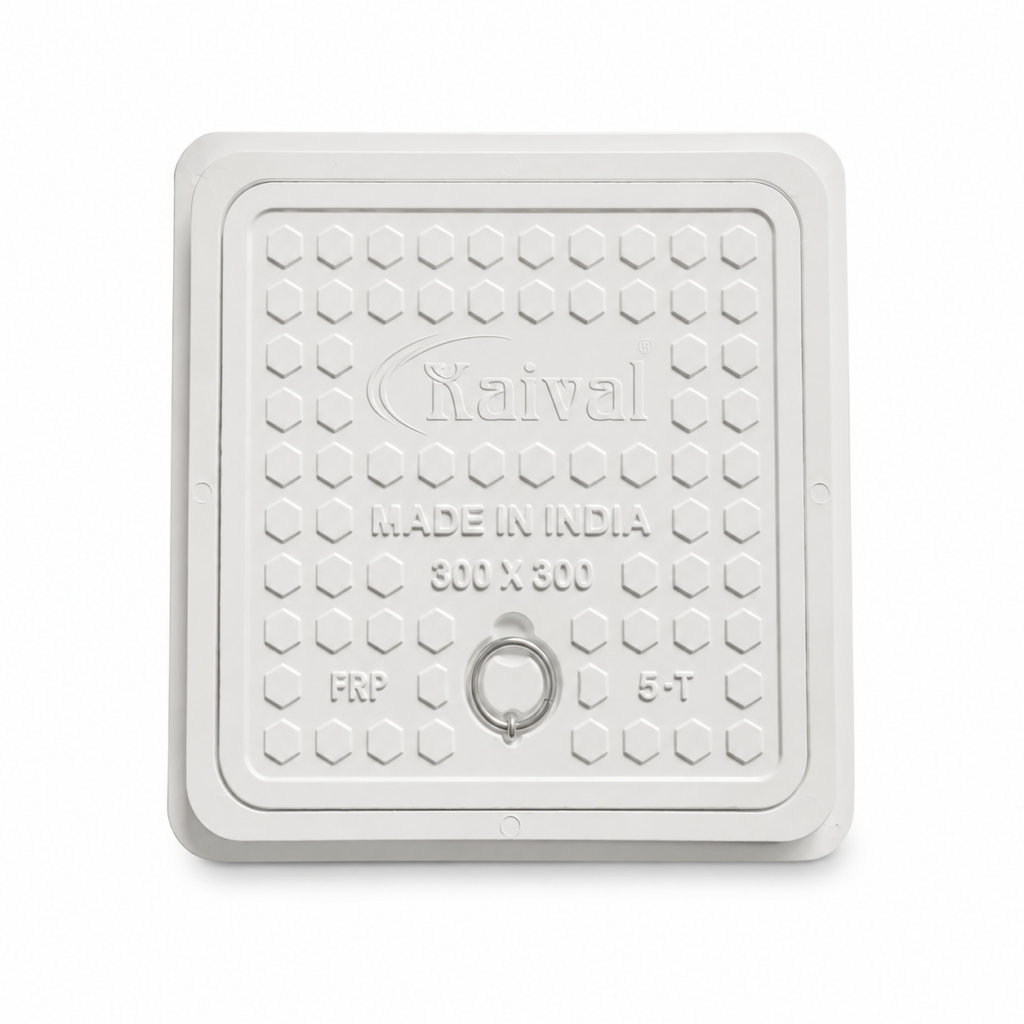
FRP stands for Fibre-Reinforced Plastic. It is a composite material made by combining a polymer resin with reinforcing fibres, commonly glass fibres. This reinforcement improves the material’s structural strength and rigidity compared with ordinary unreinforced plastic.
An FRP manhole cover is designed to provide access to underground chambers while offering a combination of strength, durability and resistance to moisture and corrosion. Depending on its formulation and specifications, it can be suitable for drainage networks, sewerage systems, industrial facilities and utility infrastructure.
Key Benefits of FRP Manhole Covers
- Reinforced strength: Glass-fibre reinforcement improves structural performance compared with ordinary plastic, although actual load capacity depends on the product design.
- Corrosion resistance: FRP does not rust like conventional iron or steel covers.
- Moisture resistance: Suitable FRP formulations can perform well in damp environments.
- Convenient handling: FRP can offer a favourable strength-to-weight ratio, making some covers easier to handle and install.
- Low maintenance: Corrosion resistance can reduce maintenance associated with rust and material deterioration.
- Versatile applications: FRP covers are available for various drainage, utility and industrial applications, depending on their load rating.
Where Are FRP Manhole Covers Used?
FRP manhole covers may be suitable for:
- Drainage and sewerage systems
- Residential and commercial construction
- Industrial facilities
- Water and wastewater infrastructure
- Inspection chambers and utility access points
- Selected parking areas and other traffic-exposed locations when the cover is specifically rated for those loads
For any installation exposed to vehicles or heavy equipment, check the tested load capacity and relevant product standards before choosing a cover.
Plastic vs FRP Manhole Covers: Key Differences
Both materials can be useful for modern drainage and infrastructure projects, but their performance characteristics differ.
| Comparison factor | Plastic manhole cover | FRP manhole cover |
| Material | Polymer-based plastic | Fibre-reinforced composite |
| Structural reinforcement | Depends on polymer, design and construction | Glass fibres reinforce the composite |
| Weight | Often lightweight | Often lightweight relative to its strength |
| Corrosion resistance | Generally good | Generally good |
| Chemical resistance | Depends on plastic type and chemical exposure | Depends on resin, reinforcement and chemical exposure |
| Cost | Depends on material, size and load rating | Depends on reinforcement, design and load rating |
| Best suited for | Applications within its specified load limits | Applications requiring reinforced structural performance within its specified load limits |
| Maintenance | Generally low | Generally low |
The key point is that neither material is automatically suitable for every installation. Product design, manufacturing quality, frame compatibility and verified load capacity matter just as much as the material itself.
1. Strength and Load-Bearing Capacity
Strength is one of the most important factors when comparing plastic and FRP manhole covers.
Ordinary plastic covers can be suitable for applications where the expected load falls within the product’s rated capacity. FRP incorporates reinforcing fibres that improve structural performance, making it an option for applications that require greater reinforcement.
However, not every FRP cover is suitable for heavy vehicle traffic, and some engineered plastic covers are designed for demanding applications.
What should you check? Ask the manufacturer for the tested load rating of the specific cover and frame. Never select a cover for a driveway, road or industrial area based on material type alone.
2. Price and Overall Project Cost
Price is another important consideration, particularly for builders, contractors, distributors and bulk purchasers.
The cost of a plastic manhole cover depends on its dimensions, polymer composition, design and intended load. FRP pricing depends on factors such as the type of resin, reinforcement, dimensions and manufacturing requirements.
A lower purchase price does not necessarily mean a lower overall cost. Installation, maintenance, replacement frequency and the consequences of product failure should also be considered.
If you are comparing a plastic manhole cover wholesale quotation with an FRP quotation, ensure that both products have comparable dimensions, frame specifications and load ratings.
3. Weight and Installation
Both plastic and FRP covers can be lighter than conventional metal alternatives, depending on the design and load class.
A lightweight cover can make handling and routine access easier for maintenance teams. However, the weight of a cover should not be used as a substitute for checking its structural performance.
During installation, ensure that the frame is properly supported, the seating is level and the cover fits securely. Incorrect installation can affect performance even when the product itself is suitable.
4. Weather, Moisture and Chemical Resistance
Drainage and sewerage systems are frequently exposed to moisture, changing temperatures and potentially corrosive environments.
Plastic covers generally resist rust, while FRP covers also offer corrosion resistance and can be formulated for exposure to certain chemicals. Actual resistance varies by material formulation and the substances present at the installation site.
For industrial projects, check the manufacturer’s chemical compatibility information rather than assuming every plastic or FRP product can withstand every chemical.
5. Durability and Maintenance
The service life of either type of cover depends on the quality of the material, manufacturing process, installation and operating conditions.
A properly selected and installed plastic cover can provide reliable performance in its intended application. An appropriately engineered FRP cover can also provide durable service, including in environments where corrosion resistance is important.
Regular inspections should check for cracks, deformation, unstable seating and damage to the frame. Replace any damaged cover promptly to maintain safe access to the chamber.
Which Manhole Cover Is Best for Your Project?
The best choice depends on the intended application rather than a universal preference for one material.
Residential Buildings and Housing Societies
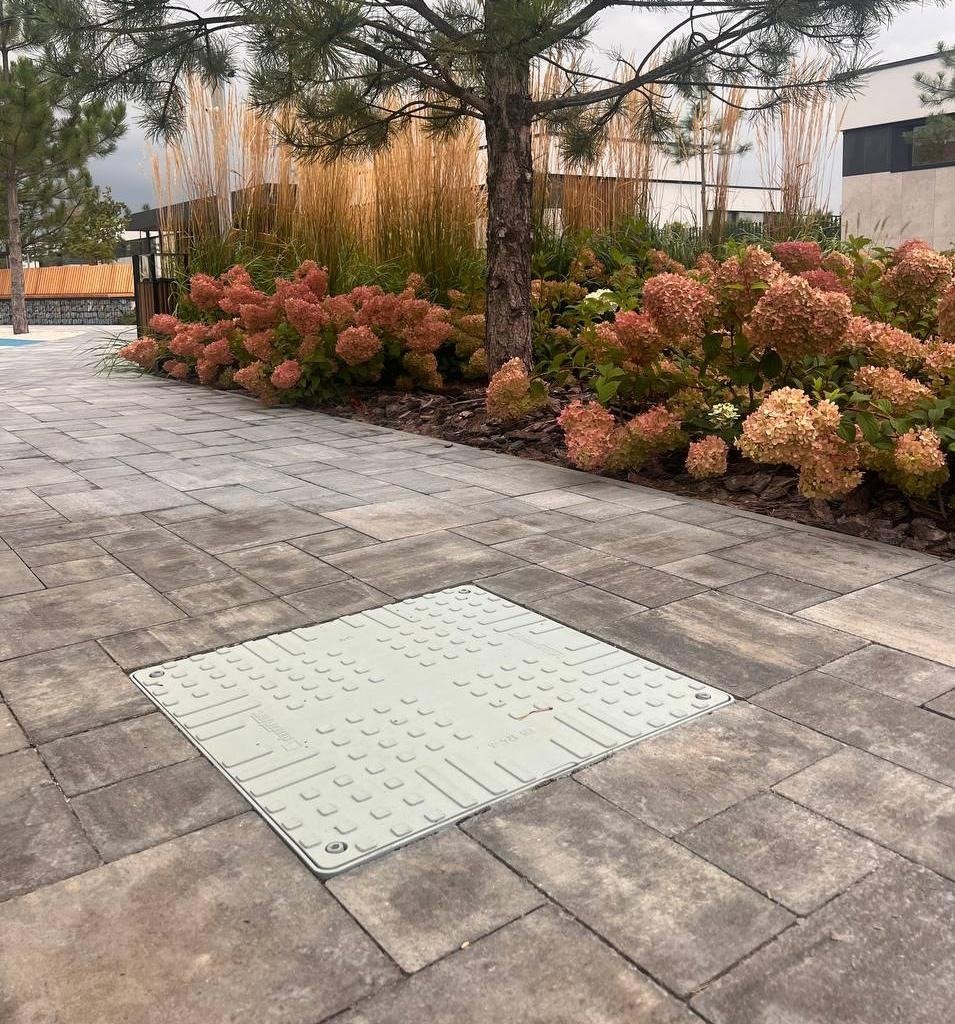
Plastic covers can be a practical option for gardens, pedestrian areas and suitable residential drainage points. Choose FRP if the project requires its reinforced construction or specific environmental performance. Check the rated load before installing either type near vehicle access.
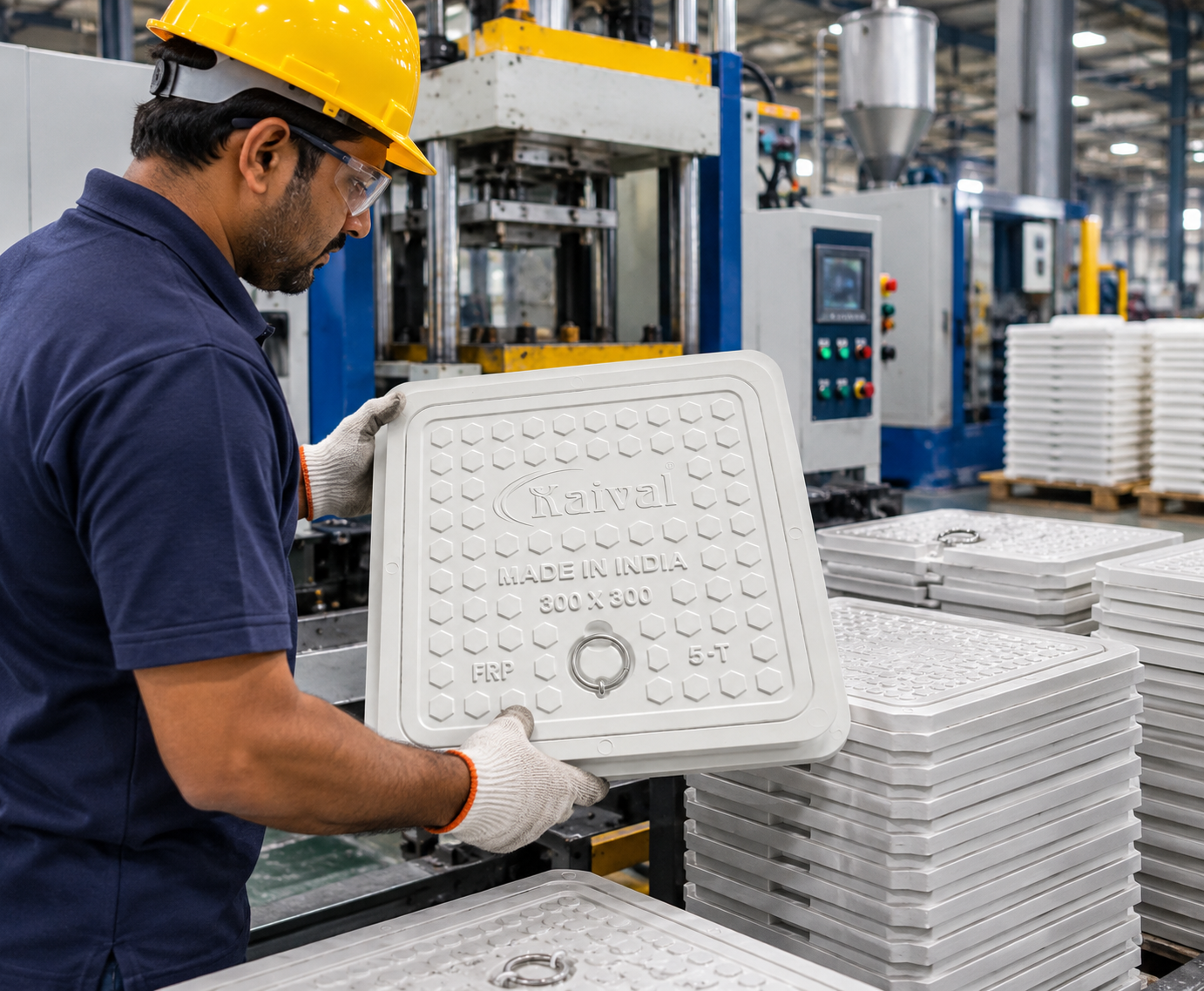
Commercial Buildings and Parking Areas
Consider FRP or an appropriately rated plastic cover based on expected vehicle loads, frequency of access and environmental exposure. A cover suitable for pedestrians may not be suitable for a car park.
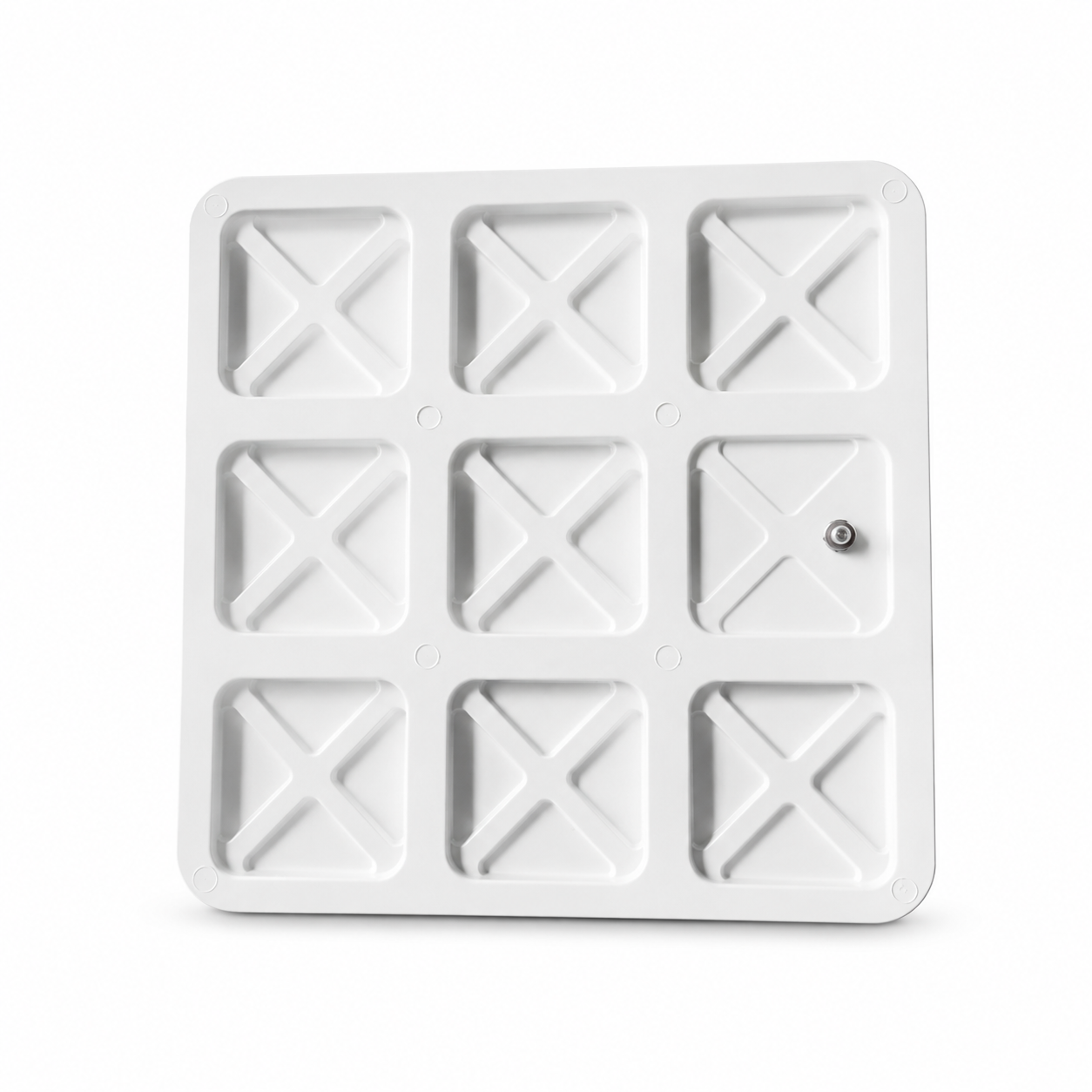
Industrial and Wastewater Facilities
FRP may be a good choice where reinforced structural performance and corrosion resistance are priorities. Confirm compatibility with the chemicals, temperatures and operating conditions at the site.
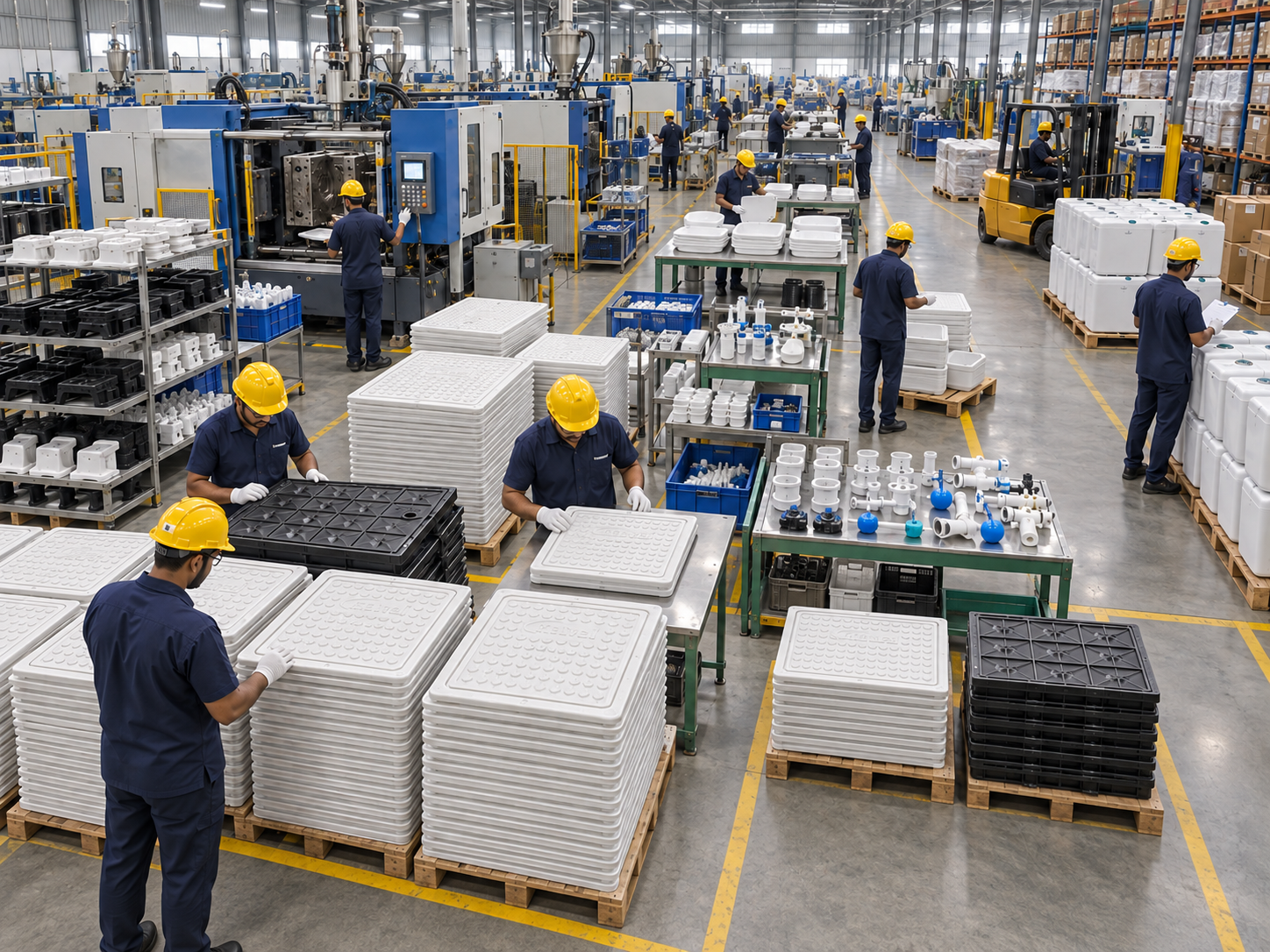
Roads and Traffic-Exposed Areas
Prioritise the required load class, applicable standards and installation design. Use only a cover and frame specifically approved for the expected traffic and wheel loads, whether plastic, FRP or another material.
5 Factors to Check Before Buying a Manhole Cover
Before ordering a cover, use this checklist to compare products and suppliers.
Manhole cover buying checklist
0 of 5
Confirm the required load capacity for the installation location.
Measure the opening and verify the frame and cover dimensions.
Check the material’s suitability for moisture, weather and chemical exposure.
Request product specifications, test reports and applicable compliance details.
Compare quotations, minimum order quantities, availability and delivery requirements.
Choosing a Reliable Plastic or FRP Manhole Cover Manufacturer
Selecting the right manufacturer is an important part of purchasing a manhole cover. A dependable supplier should be able to explain product specifications, provide the appropriate size options and help you identify a suitable model for your application.
When evaluating manufacturers, consider the following:
- Manufacturing capabilities: Look for experience with the specific material and product you require.
- Product specifications: Request clear information about dimensions, load capacity and intended applications.
- Quality inspection: Check whether the manufacturer monitors materials, production consistency and finished-product quality.
- Bulk supply: Confirm whether the supplier can meet your quantity and delivery requirements.
- Technical support: Choose a supplier who can help clarify specifications before you place your order.
Why Consider Kaival Plastic?
Kaival Plastic manufactures plastic and FRP products for plumbing, sanitation, drainage and infrastructure applications. Its manufacturing capabilities include plastic injection moulding, FRP manufacturing and quality inspection.
We Believe In Good Quality
Whether you need plastic manhole covers for a suitable residential application or FRP covers for an infrastructure project, the important step is to match the product’s specifications to your requirements.
If you are looking for a plastic manhole cover manufacturer in Ahmedabad or an FRP manhole cover manufacturer in Gujarat, you can explore Kaival Plastic’s manufacturing capabilities and discuss your requirements directly.
Frequently Asked Questions
1. Is FRP stronger than a regular plastic manhole cover?
FRP contains reinforcing fibres that improve structural strength compared with ordinary unreinforced plastic. However, the actual strength depends on the design, materials and manufacturing quality of each product.
2. Which is more affordable: PVC or FRP manhole covers?
The price depends on dimensions, material quality, reinforcement and load rating. Compare quotations for products with equivalent specifications to determine which option offers better value for your project.
3. Are FRP manhole covers suitable for outdoor use?
FRP covers can be suitable for outdoor applications because of their corrosion and moisture resistance. Check the specific product’s suitability for UV exposure, temperature variations and local environmental conditions.
4. How do I select the correct load capacity?
Consider the location, expected vehicle traffic, wheel loads and installation conditions. Ask the manufacturer for the tested load rating of the complete cover-and-frame assembly and verify compliance with the project’s applicable requirements.
5. Can I buy plastic manhole covers in bulk?
Yes, many manufacturers and suppliers handle bulk orders. Confirm the available sizes, required quantities, product specifications and delivery timelines before placing your order.
6. Where can I find a manhole cover supplier in Ahmedabad?
You can contact Kaival Plastic in Ahmedabad to discuss its plastic and FRP manhole cover range. Visit the official website to explore its products and manufacturing capabilities.
Conclusion: Make the Right Choice for Your Project
When comparing plastic vs FRP manhole covers, the right option depends on your project’s load requirements, budget, environmental conditions and installation location.
Plastic covers can be suitable for many residential and light-duty applications, while FRP covers offer fibre-reinforced construction for applications that require additional structural reinforcement. Neither material should be selected without checking its actual load rating and product specifications.
Before making a purchase, compare the materials, confirm the dimensions and frame compatibility, and request the necessary technical information from your supplier.
Looking for plastic or FRP manhole covers for your next project? Connect with Kaival Plastic to explore available products and discuss your requirements for residential, commercial or infrastructure applications.